“Man-to-man pressing has grown increasingly prominent during the past five or six years,” Kane explains.
“European football demands physical strength, while elite sides aim to regain possession high up the pitch. They rely on their defenders and midfielders to mark opponents individually and come out on top in their duels.”
In response to this development, leading clubs have signed powerful athletes and exceptional dribblers capable of overcoming opponents when matches turn into repeated individual contests.
Although dribbling is not considered one of Kane’s defining qualities—and he readily admits he is “not the quickest”—he has continued to excel by playing to his own strengths.
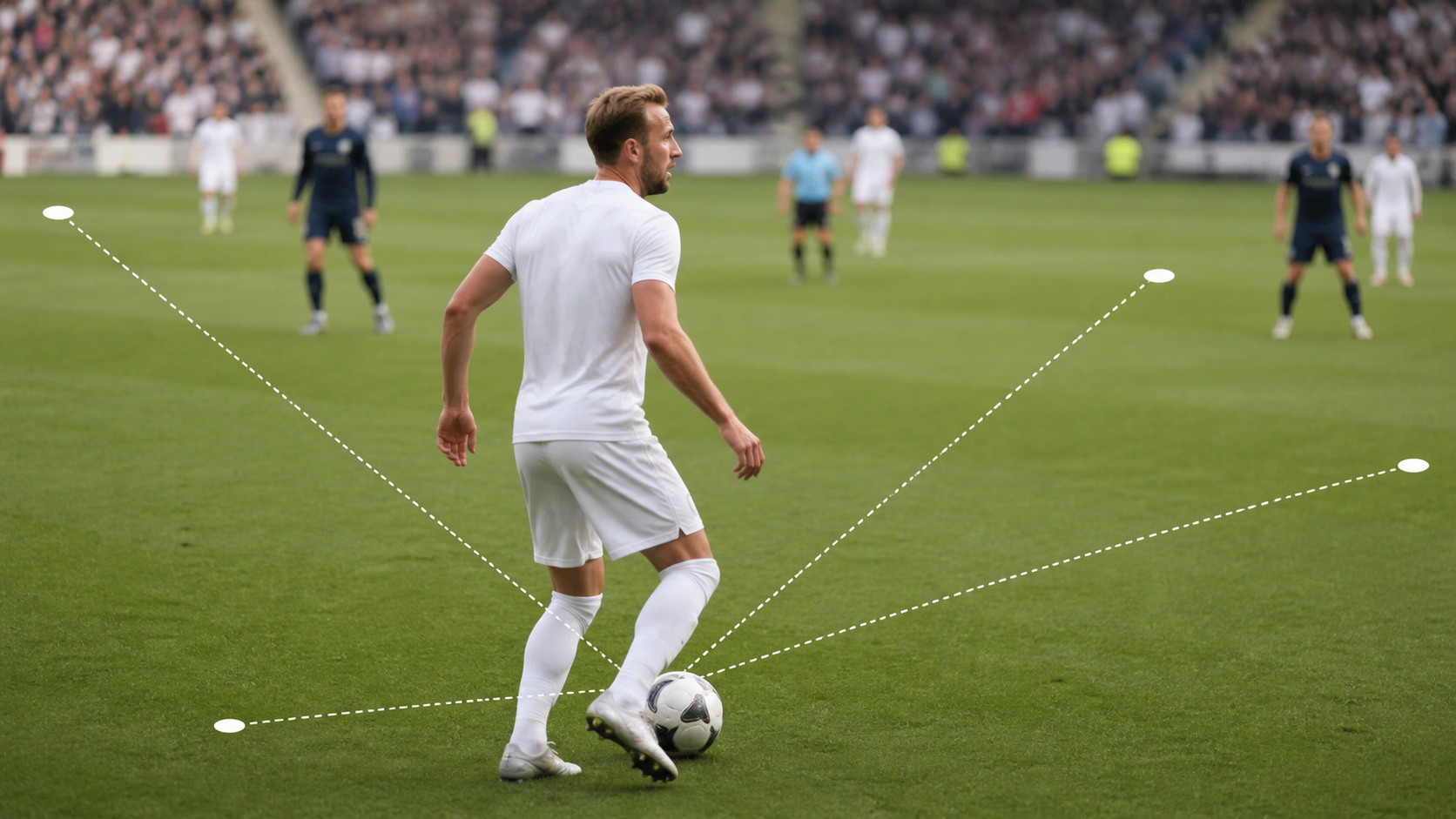
During the match against Dortmund, Kane dropped into a deeper position in an attempt to find space without being marked. Sensing the threat, two opponents quickly closed him down.
Kane approaches dribbling as a mental challenge. His quick decision-making allows him to find answers that many other players would seek through footwork alone.
He lowered his body and used his power to hold off centre-back Waldemar Anton before straightening up and subtly shifting to his right. Such minor body movements are a signature feature of his play, enabling him to redirect the momentum of an entire team.
The deceptive movement caught Daniel Svensson and Jobe Bellingham off balance. Kane then pulled the ball sharply in the opposite direction, creating a route across the pitch from inside Bayern’s half.
What do you feel about this post?

Like

Love

Happy

Haha

Sad