China’s advanced censorship network separates 1.4 billion people from much of the global internet, leaving many unaware of precisely what had occurred.
Simply alleging that someone had “hurt the feelings of the Chinese people” appeared sufficient to unleash widespread outrage. The reaction was intensified by social media algorithms and a tightly regulated online environment in which users may hesitate to challenge the dominant opinion.
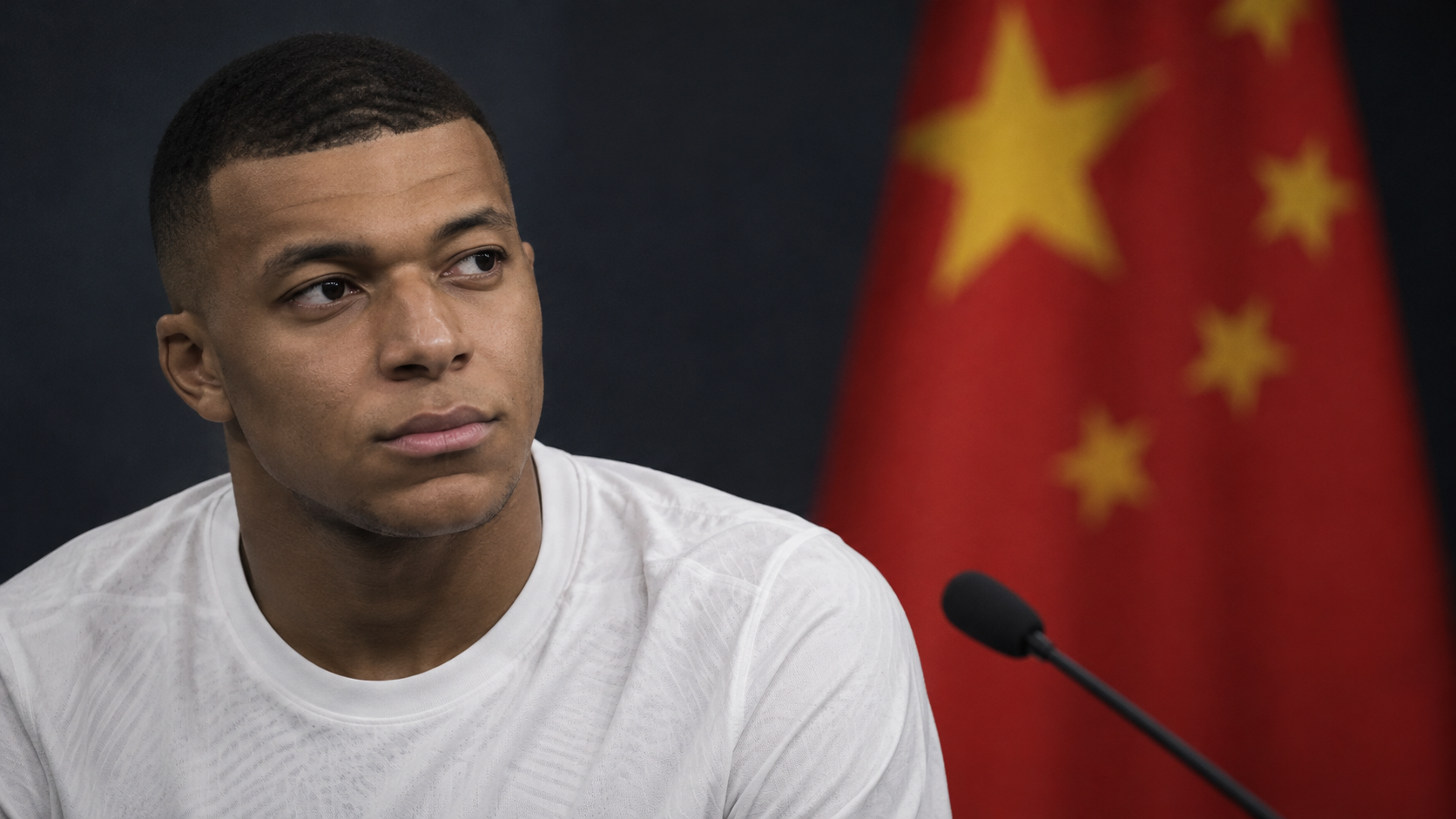
Mbappé, one of football’s most prominent players, soon expressed his “sincere regret” over what he described as a poorly considered remark. Real Madrid and Spain’s La Liga also released apologies, reflecting China’s importance as a major market for the sport.
Beijing later said it was treating the player’s apology with due seriousness. China Media Group has not yet announced whether coverage will restart.
Nevertheless, resentment continued to circulate online.
One highly ranked Weibo response said that apologising was the bare minimum, adding that the writer would not forgive him and supported banning him.
Although Mbappé did not refer to Mao directly during the interview, many people believed that any joke involving the founder of Communist China went beyond what was acceptable.
A Weibo user asked whether he understood whom he had offended, describing Mao as a spiritual foundation for the Chinese population. The post received more than 700 likes.
Another commenter called Mao the most significant person in the country’s history and questioned whether a straightforward apology could truly resolve the matter.
What do you feel about this post?

Like

Love
Happy
Haha
Sad