
Each summer, Pro Ref, the recently adopted name of England’s refereeing organisation, visits every club’s training facility to review a selection of incidents and explain what players should expect during the coming season.
The level of engagement varies between clubs. Some players take part in constructive discussions about possible fouls, while others may occasionally struggle to stay awake.
In recent weeks, players have watched footage of two challenges that did not result in penalties last season but would be punished under the updated guidance.
The first involved Brentford’s Keane Lewis-Potter grappling with West Ham’s Tomas Soucek away from the ball at the back post. The other showed Sunderland’s Luke O’Nien bringing down Leeds United’s Pascal Struijk by wrapping an arm around his neck.
Under this season’s interpretation, both incidents would be treated as holding offences unrelated to playing the ball and considered unacceptable on the pitch.
Webb also discussed a separate example that demonstrated how players can reach different conclusions when an incident is open to interpretation.
Crystal Palace defender Marc Guehi went down after being held by Bournemouth’s Bafode Diakite, prompting the referee to award a penalty.
Some players thought Guehi had deliberately created the contact, while others viewed the challenge as an obvious holding offence.
Webb said one player might argue that the video officials should intervene if no penalty is awarded, even though others in the room would be frustrated because they did not consider the incident worthy of a spot-kick.
According to Webb, the referee’s original decision to award Guehi a penalty was acceptable, but the incident was not clear enough to justify a video review overturning an on-field call. It highlights the difficult judgments faced by referees and video officials.
As it has done for several years, Pro Ref prepares reports for match officials explaining how each team is likely to play. The purpose is not to shape their decisions, but to help referees recognise situations that could cause problems.
Webb said experienced analysts carry out extensive preparation before matches and provide officials with details about what they may encounter and how the teams are expected to organise themselves.
He explained that this preparation improves the chances of officials watching the correct area at the crucial moment.
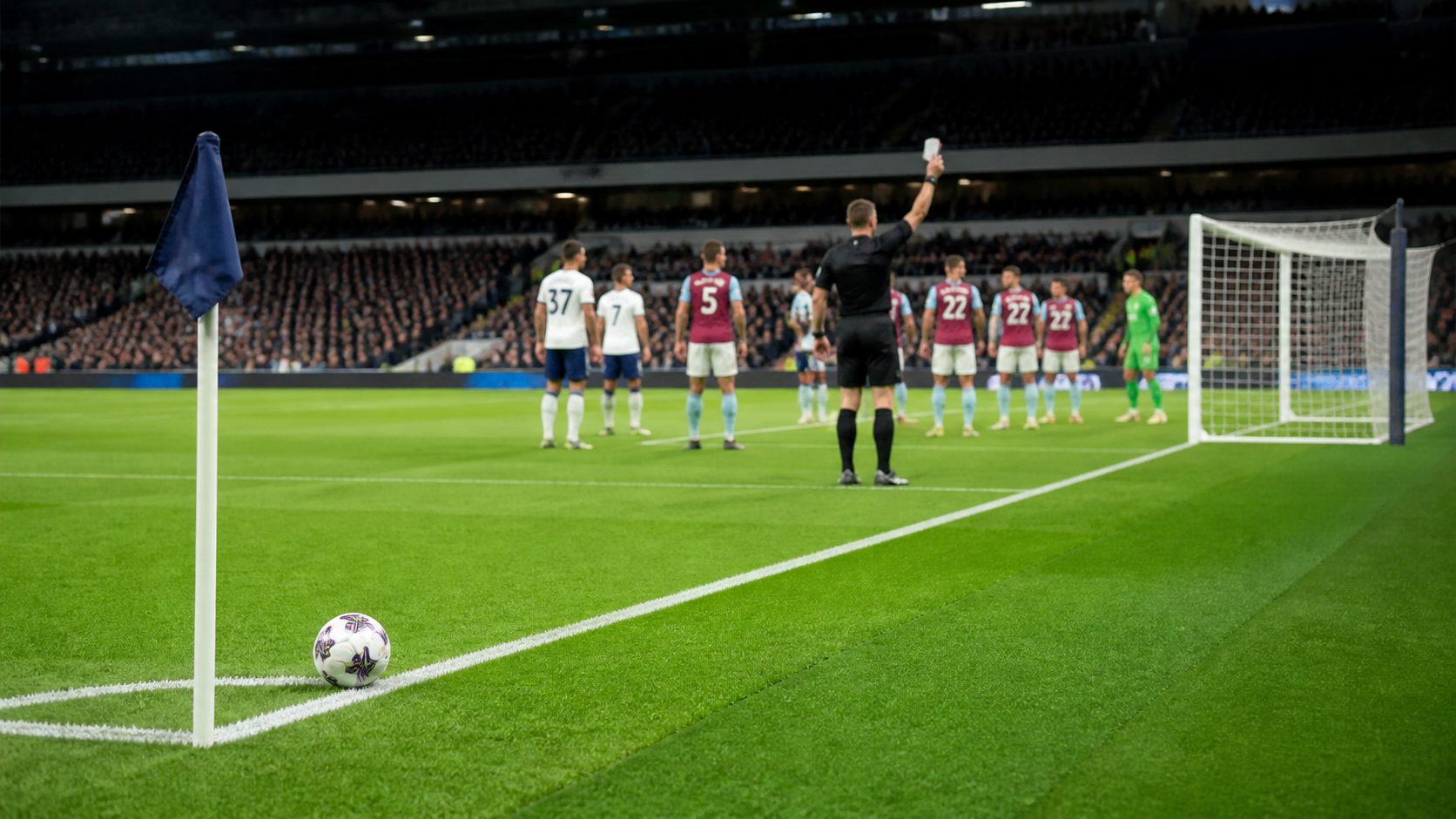
The analysis also covers tactical patterns. For example, when a team has an attacking set piece, the referee may change position to secure a clearer view of the action.
Webb stressed that the process is not intended to label a particular player as someone who regularly exaggerates contact whenever they fall.
Officials must remain impartial, he added, but having relevant information before a match is generally considered helpful.
What do you feel about this post?

Like

Love

Happy

Haha

Sad