
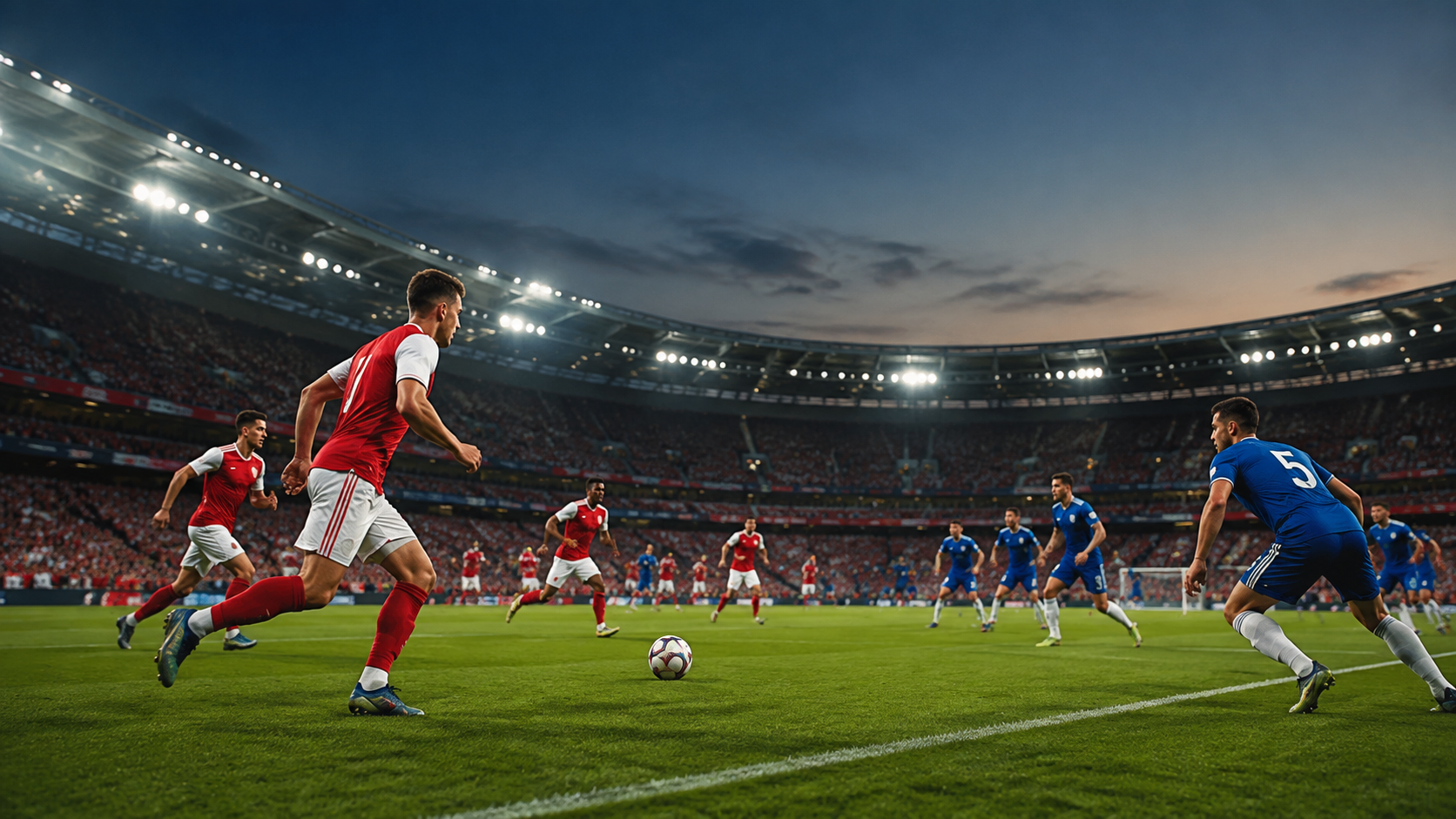
It felt good to be back. Not completely, perhaps, but Arsenal and Chelsea briefly transported the Emirates Stadium to another era on a bright, powder-blue afternoon. Their frantic opening half-hour carried the intensity and unpredictability of Premier League clashes from the early 2000s.
During that spell, the match resembled a fresh version of an old classic: fierce midfield battles, exposed full-backs scrambling to recover, and players charging into defensive lines with reckless commitment.
Arsenal registered 10 attempts in that opening period and attacked with breathtaking pace and physical power. The contest became calmer after their equaliser, while the second half developed into a tense, fragmented affair shaped by substitutions and stoppages. Despite the interruptions, Arsenal rarely appeared likely to surrender their 2-1 advantage.
The most revealing part of the match was that wonderfully chaotic first half-hour. Both teams showed the ambition and energy required to improve this season, something that could also benefit the Premier League as a whole.
Last season was acceptable, but much of the football often felt mechanical and unfinished. Some matches moved at a painfully deliberate pace, with highly organised teams prioritising defensive structure while analysts closely examined every available statistic.
It was controlled and disciplined, but too often short on imagination and intensity. More importantly, many teams lacked the extra acceleration needed to compete with Paris Saint-Germain or overwhelm opponents rather than gradually wearing them down.
Finding the right balance means occasionally loosening the demand for complete control. A moment in the 87th minute illustrated the conflict perfectly. Chelsea won a free-kick 25 yards from goal, creating a sense of genuine anticipation around the stadium. As Reece James prepared to take it, late substitute Danny Welbeck rushed over and handed him a note to read. Perhaps it contained tactical percentages or instructions about where to aim. James examined it, reset his run-up and then struck the ball directly into Declan Rice’s head. Whatever the message said, the interruption felt unnecessary. Football at such moments should be spontaneous, dramatic and expressive, not paused for another tactical briefing.
At the same time, Morgan Rogers walked around the edge of the pitch while Arsenal supporters repeatedly mocked him with chants of “You should have signed for a big club.” He looked completely drained after investing everything in the contest, embodying the raw energy and unpredictability that stood in sharp contrast to Welbeck’s written instructions.
There was almost nothing to dislike about the thrilling start. Even the meeting between the managers offered intrigue, with the kind of shared history that could eventually develop into a compelling rivalry. Xabi Alonso’s presence on the touchline also brought something new, from his polished appearance to his natural authority. The sunshine added to the unusual atmosphere, producing a dry September warmth beneath a pale blue sky. Chelsea then struck after only one minute and 17 seconds, with Rogers guiding a carefully controlled volley into the corner.
For a time, the teams simply collided with one another at full speed. Emi Martínez took a kick to the head, recovered and continued to receive loud boos. Arsenal had a goal ruled out before creating an excellent move across the length of the pitch, sparked by a graceful turn from Myles Lewis-Skelly. In the 25th minute, Kai Havertz made it 1-1 through his own skill, drifting infield before driving a low shot inside the near post.
Havertz also played an important role in the winning goal, using a clever and unusually simple dummy to release Martin Ødegaard into space in front of the net. It was barely a conventional feint: Havertz merely moved his foot away from the ball without an exaggerated shoulder movement or change of direction.
Some Arsenal supporters become impatient with Ødegaard because he can avoid direct play, hesitate to shoot and search for one extra decorative pass. Perhaps the solution is to place him directly in front of goal with enough time to consider every possibility before realising that taking the shot is clearly the best choice.
His finish was decisive. The match then became more confrontational, and Arsenal eventually entered one of their slower phases, reducing the tempo and limiting Chelsea’s opportunities. Even so, this remained an impressive victory over a side with considerable potential.
One question remains: why can Arsenal not maintain this aggressive, forward-running approach throughout every match? The simple answer is that the physical demands make it impossible. These are human players managing their effort across 90 minutes, not characters in a video game. The more useful question is whether Arsenal can reproduce that level when necessary and preserve such 30-minute bursts as a reliable weapon. On this evidence, the team may indeed have reached another level.
What do you feel about this post?

Like

Love

Happy

Haha

Sad