The early belief that Chelsea could emerge as Arsenal’s strongest title rival now appears badly misplaced. Their two frantic victories at the start of the campaign were difficult to assess: either they were valuable results secured while the team developed a stable system, or warning signs of deeper weaknesses. Following three matches without a victory and 12 goals conceded across five games, the second explanation seems increasingly convincing.
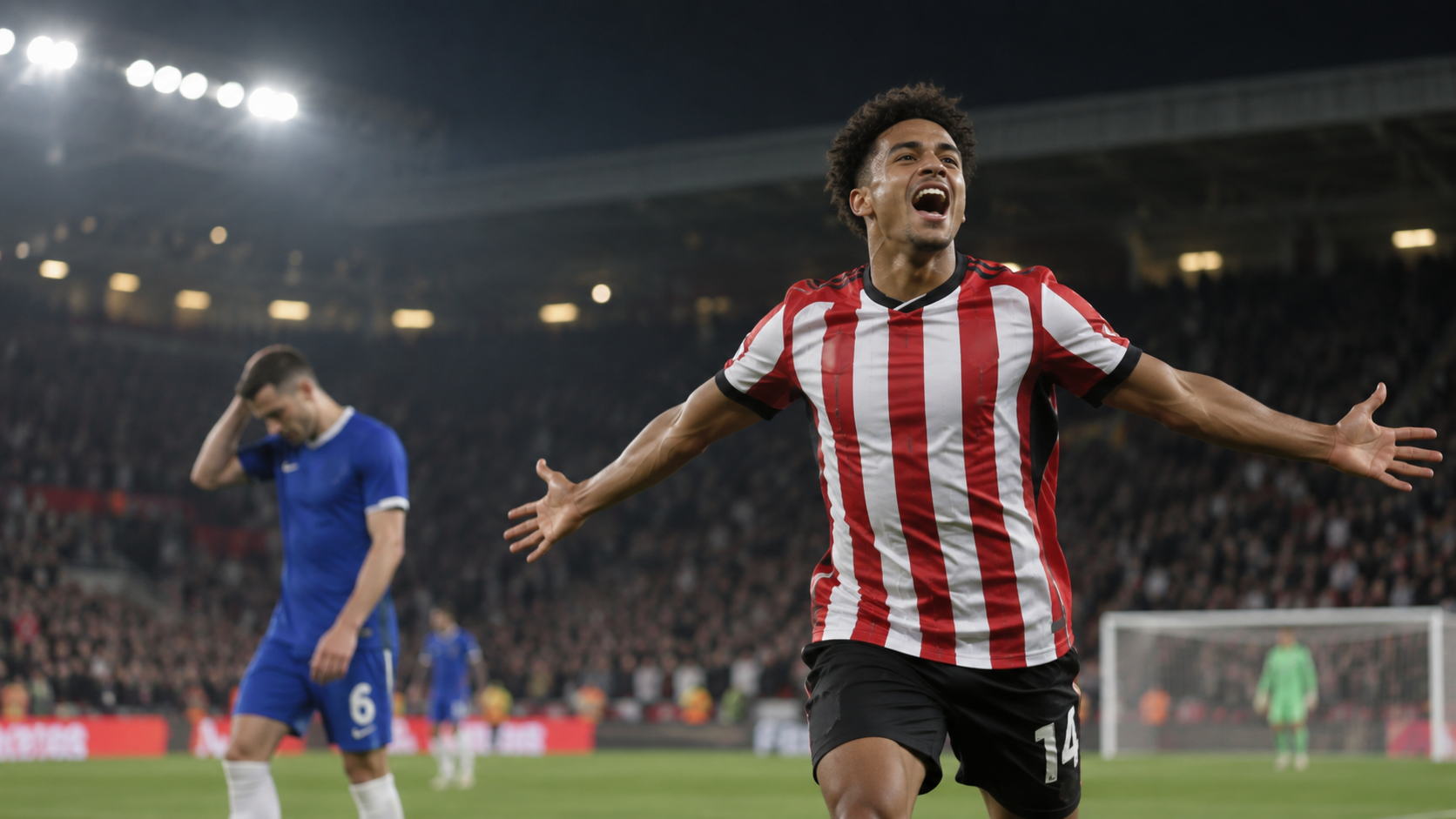
When the match ended, Keith Andrews threw his head back and shouted towards the sky as Brentford celebrated their first home victory against Chelsea since 1938. His side remain unbeaten, organised and disciplined, with the result lifting them into third place. The contrast was striking: while one club struggles despite carefully planned spending, its less affluent neighbour succeeds through clarity and firm direction. Andrews said he had sensed that such a display was coming, adding that the players had looked highly focused and determined during the previous two days.
Chelsea operate in such a constant state of change that familiar arguments about stability often feel irrelevant. Another 11 summer additions have reinforced the impression of a club functioning as a transfer marketplace, where simply becoming acquainted with every member of the squad may have mattered more than internal disputes at executive level. Even so, this was their first match since Todd Boehly and Mark Walter agreed to transfer their 12.8% holding to majority owner Clearlake Capital, giving the occasion added significance. At a minimum, greater unity among the club’s leadership should offer some benefit.
Boehly arrived as an eager reformer, confidently insisting that English football had been getting things wrong, but left with few notable achievements. During his chaotic period effectively overseeing recruitment, he spent £300m on unsuitable players and handed Raheem Sterling a contract worth £325,000 per week. Four years and 60 new arrivals later, Chelsea appear no closer to becoming genuine title contenders. This performance mainly resembled that of a team still being assembled. Jordan Henderson made his first full Chelsea appearance against his former club, while Danny Welbeck, Pep Chavarría and Valentín Barco received their first league starts.
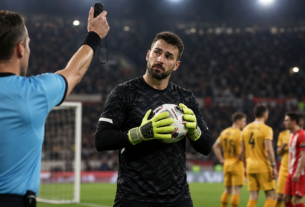
Barco was booed relentlessly by the home crowd after his excessive celebration of Argentina’s World Cup winner against England had resulted in a post-match slap from Jude Bellingham. The message seemed obvious: becoming a prominent nuisance while sporting unmistakable copper-coloured hair is unlikely to go unnoticed. Emí Martínez was also mocked, apparently for little more than being Argentinian. Henderson received a comparatively restrained response on his return, with the occasional jeer sounding muted and almost obligatory.
Chelsea followed a familiar pattern, beginning at high speed before gradually becoming less fluent. For the second match in succession, their lively opening failed to deliver an early goal, although Pedro Neto nearly put them ahead in the ninth minute before Caoimhín Kelleher produced an excellent save.
Xabi Alonso said his team’s consistency and competitive edge had declined after half-time. He explained that they could not sustain their earlier standard and lost control once their shape disappeared. Learning what is required to compete until the final moment, he added, is a gradual process that demands time.
Chelsea became increasingly uncertain as the contest progressed, and Brentford broke the deadlock shortly after the hour mark. Unsurprisingly, the goal came from a set piece, an area in which Brentford had created far more opportunities this season than they had converted. The routine was simple but effective: Jannik Schuster rose above the shorter Barco and directed Mikkel Damsgaard’s corner across the goalmouth, allowing Jaidon Anthony to head home from close range for his first goal since joining from Burnley.
Chelsea eventually increased the pressure, but despite spending most of the closing stages in Brentford territory, they produced few meaningful opportunities beyond a series of corners. Brentford, meanwhile, remained calm, compact and well organised.
Brentford doubled their advantage with seven minutes remaining. Damsgaard launched the counterattack and released Kevin Schade, whose guided attempt was stopped by Martínez. Igor Thiago reacted to the awkward rebound and steered it inside the post to register his first goal of the campaign. Fábio Carvalho completed the 3-0 victory during stoppage time, powerfully converting Schade’s cross after the winger had somehow been left unattended on the left following a partially cleared long throw.
Brentford can now realistically begin thinking about qualification for European competition. Chelsea, however, remain much as they have been since the ownership change: an unfinished project, with their defensive development in particular still requiring considerable work.
What do you feel about this post?

Like

Love

Happy

Haha

Sad