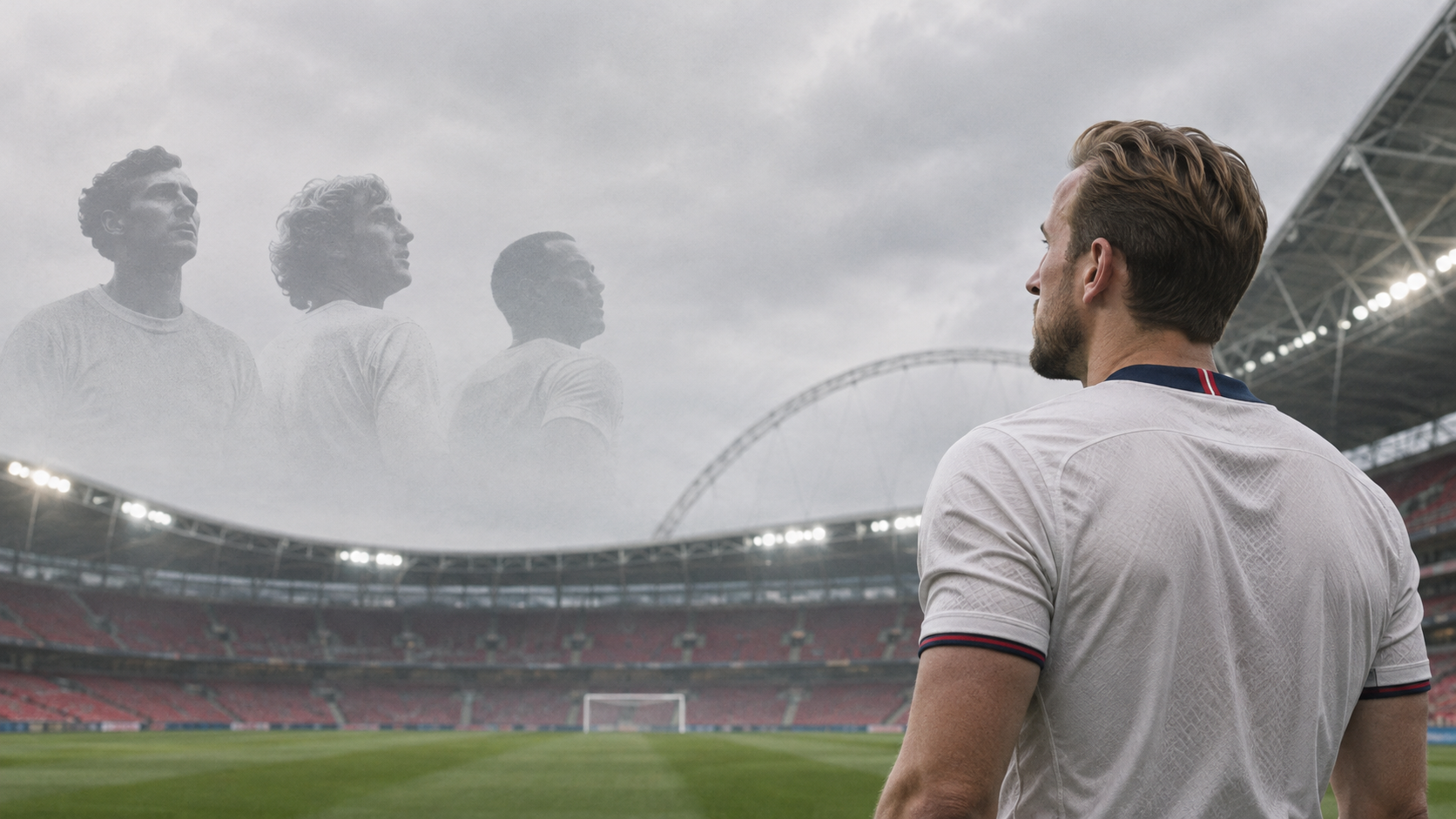
Harry Kane has become England’s most-capped male footballer while also holding the national scoring record, yet determining how those milestones compare with the accomplishments of the country’s finest players is far less straightforward.
The discussion is complicated by numerous factors and by the sport’s long history. In my view, greatness should reflect not only individual talent, but also the influence a player had on the national consciousness.
If personal ability were the main standard, Ballon d’Or recipients Stanley Matthews, Kevin Keegan and Michael Owen would all deserve consideration, alongside technically gifted figures such as Glenn Hoddle, Chris Waddle and John Barnes.
Paul Scholes, Steven Gerrard and Frank Lampard could also have been strong candidates had an England manager consistently found a way to draw out their very best performances.
However, a place among England’s all-time elite requires more than exceptional skill. It also demands a lasting overall contribution, unforgettable moments and sustained service in the national shirt.
Leaving out Geoff Hurst may therefore seem contentious, given that he delivered arguably the most iconic display in England’s history. Jimmy Greaves, whom Hurst replaced, might also have been an automatic choice if injury had not disrupted his tournament.
Assessing footballers whose finest international work occurred away from major tournaments, or before European competitions emerged, is equally difficult. Eddie Hapgood, Tom Finney, Nat Lofthouse and Dixie Dean are among those who fall into that category.
With room for only 10 names, it is time to begin.
What do you feel about this post?

Like

Love

Happy

Haha

Sad