There are important qualifications. This was merely the Community Shield, a trophy whose winners have not gone on to claim the league title since 2018. The opposition were the reigning champions, and their pre-season schedule involved considerably less demanding travel. The picture in central midfield should also become clearer once Rodri completes his expected transfer to Barcelona. Even so, Enzo Maresca could hardly have endured a more alarming start at Manchester City.
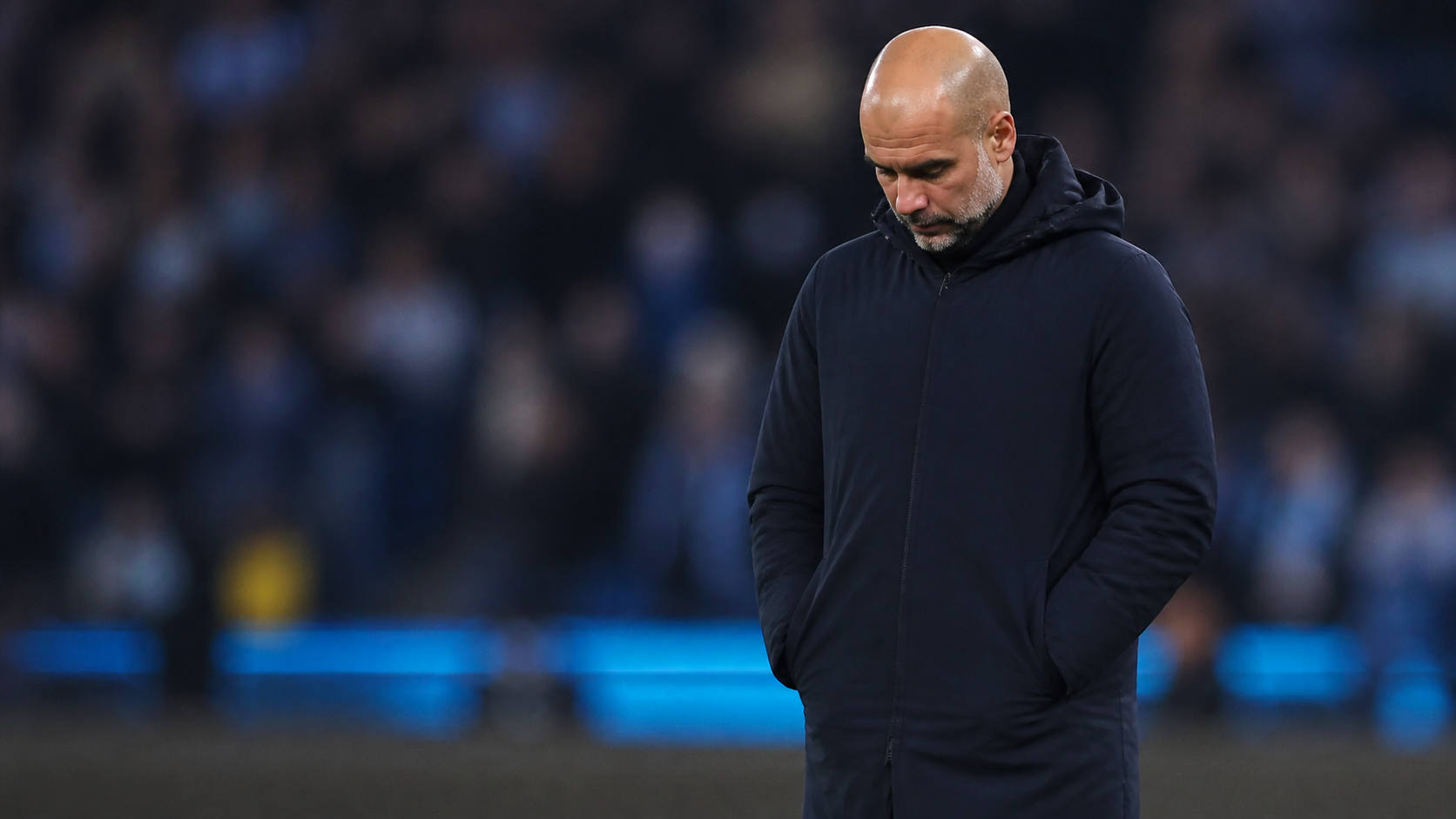
Following a coach as influential as Pep Guardiola is an enormous challenge, as many teams have discovered. The difficulty extends beyond the pressure of operating in his shadow. Guardiola’s highly distinctive approach makes any change of leadership especially complicated. Maresca served on his City coaching staff in 2022-23 and shares many of his tactical principles, but their methods are not the same, particularly because Guardiola continually adapted his ideas. Even with those factors taken into account, City’s defending in Sunday’s 3-0 loss to Arsenal was remarkably poor.
Arsenal produced an impressive display, combining greater intensity with smoother passing than they often showed last season. Suggestions that ending a 22-year wait for the championship might have reduced their motivation appeared premature, although far more demanding challenges remain. City, meanwhile, lacked cohesion, offered little attacking threat and looked badly disorganised defensively.
The second goal was particularly concerning because Arsenal encountered so little resistance. Martin Ødegaard had ample time to prepare his delivery, Christos Tzolis drifted into space behind Abdukodir Khusanov, and Kai Havertz then escaped the attention of Rúben Dias. Khusanov is not normally a right-back, although he has previously filled that position. Still, he should have anticipated an opponent moving into the space behind him. Pre-season rustiness may partly explain his lack of awareness, but the mistake reflected City’s wider performance: they were slower and less attentive than Arsenal throughout. Their sharpness may improve, but a gradual adjustment could prove costly if they intend to challenge for the title. Arsenal may already have built a significant advantage before City find their rhythm, assuming they manage to do so.
There were also tactical weaknesses on that side of the field. Antoine Semenyo had almost no influence, while Elliot Anderson, positioned on the right of the central midfield pairing, failed to contain Riccardo Calafiori’s forward runs. The Italian scored the opening goal and made an important contribution to the third. Even an adventurous left-back who is permitted to move into central areas should not have created so many problems.
The midfield situation requires an urgent solution. Rodri remained on the bench while negotiations over a probable transfer to Barcelona continued, with City accepting an offer on Sunday evening. His departure would remove not only an exceptional player but also a vital organiser. Enzo Fernández, who previously worked under Maresca at Chelsea, appeared to be the preferred replacement, yet City failed to make an offer before Chelsea’s Friday 5pm deadline. Mateo Kovacic covered for Rodri for much of last season, but at 32 he cannot be considered a long-term answer. Bernardo Silva’s exit has further reduced the available quality, leaving a substantial gap in the middle of the team.
More broadly, the squad appears lacking in depth. Dias and Marc Guéhi are the only defenders older than 25, and although there is no shortage of attacking midfielders, Omar Marmoush has yet to establish himself as a reliable alternative to Erling Haaland. The £200m spent in January 2025 may have halted an immediate decline, but the arrivals from that window—including Marmoush, Khusanov, Vitor Reis and Nico González—no longer seem indispensable. A club once admired for precise recruitment has begun making questionable decisions. Tijjani Reijnders, signed for £50m last summer, is already expected to leave, while Rayan Aït-Nouri has done little over the past year to justify a transfer that seemed puzzling from the outset.
Maresca may have viewed Arsenal’s squad, particularly the wealth of midfield choices available to Mikel Arteta, with considerable frustration. The most optimistic interpretation is that City are rebuilding, but there are growing indications that the squad could instead be deteriorating. Guardiola had appeared to be gradually moving beyond his best during the previous two seasons, yet it may now be clearer that his exceptional ability was what kept a weakening team competitive.
Sunday’s performance must be assessed cautiously given how early it is in the campaign, but it suggested that Maresca may have chosen an especially difficult moment to succeed Guardiola. Replacing such a celebrated figure would be daunting under ideal conditions, and City’s current situation increasingly appears far from ideal.
What do you feel about this post?

Like

Love

Happy

Haha

Sad