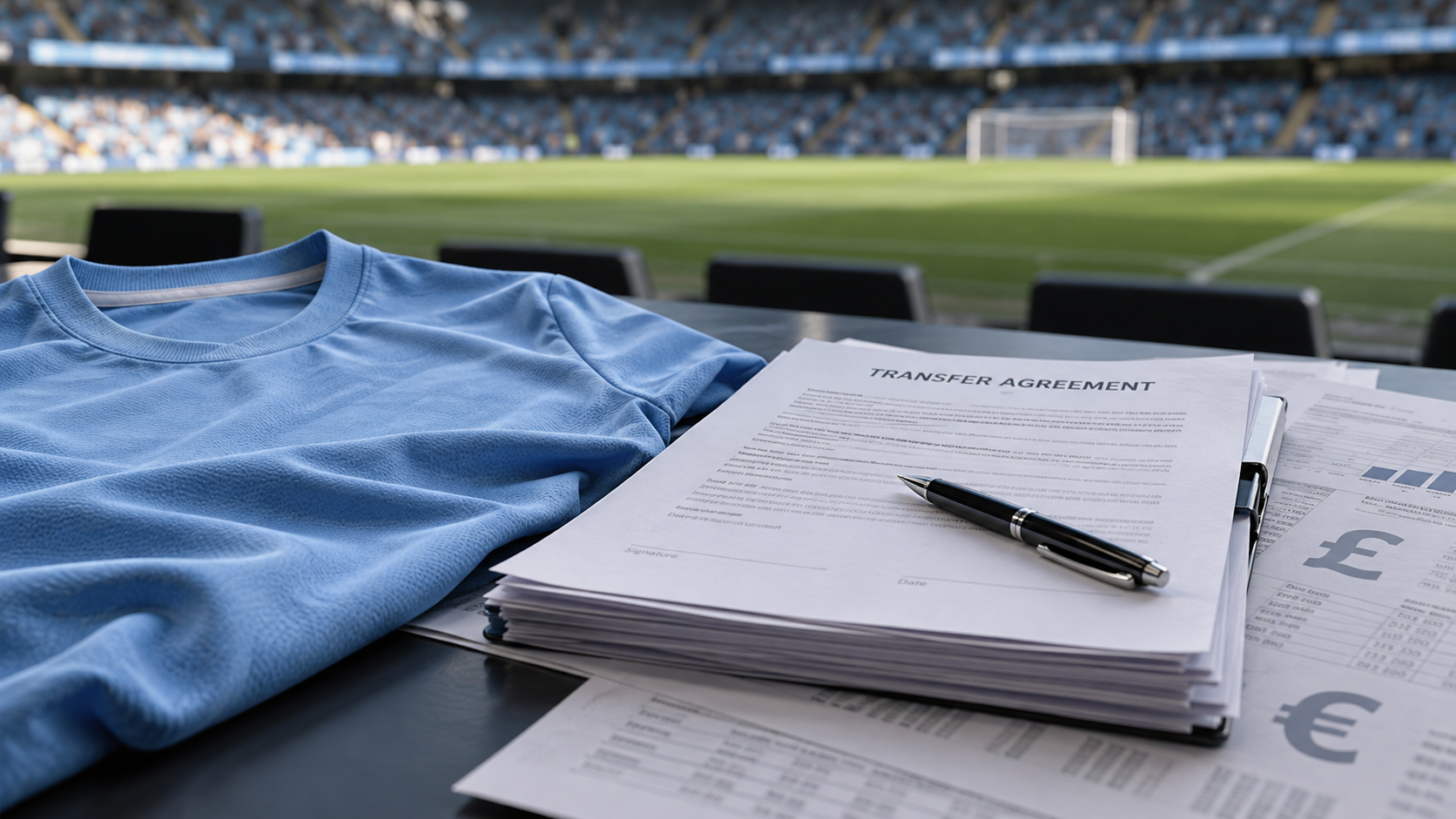
Manchester City’s financial strength undeniably reshaped the global transfer market, as the club’s readiness to offer larger fees and salaries contributed to rising costs for other teams.
Once other clubs became aware that a team had received a substantial payment from City, however, reinvesting that money often became more challenging.
Selling clubs could increase their demands, while a sudden boost in funds did not necessarily lead to effective recruitment.
For several teams that collected the largest sums from City during this period, the financial windfall ultimately delivered limited benefits.
Wolfsburg provides one notable example. After selling Kevin de Bruyne in 2016, the German club spent roughly half of the proceeds on winger Julian Draxler and also recruited players such as experienced defender Dante.
Following De Bruyne’s departure, Wolfsburg fell from second to eighth in the Bundesliga and then narrowly escaped relegation in each of the next two seasons.
The outcome was similarly disappointing for Monaco, the second-highest club on the list.
After Benjamin Mendy and Bernardo Silva left for Manchester City in the same summer, Monaco brought in Terence Kongolo and Keita Balde as direct replacements. Neither move proved successful over time, and within two years the team went from winning Ligue 1 and reaching a Champions League semi-final to narrowly avoiding relegation.
Between 2009 and 2018, Arsenal sold four players to City, more than any other club, yet failed to launch a sustained challenge for the Premier League title during that period.
Teams that received no transfer payments from City might also contend that spending by rivals whose finances had been strengthened reduced their own prospects of success.
For instance, Manchester City paid broadly comparable amounts to Benfica and Porto during those years but made no payments to Sporting, the third member of Portugal’s traditional leading trio.
Sporting failed to win the league between 2009 and 2018. Although numerous factors contributed to that record, one possible influence was the additional income received by their direct competitors—funds that might not have been available if football’s financial regulations had been observed.
What do you feel about this post?

Like

Love

Happy

Haha

Sad