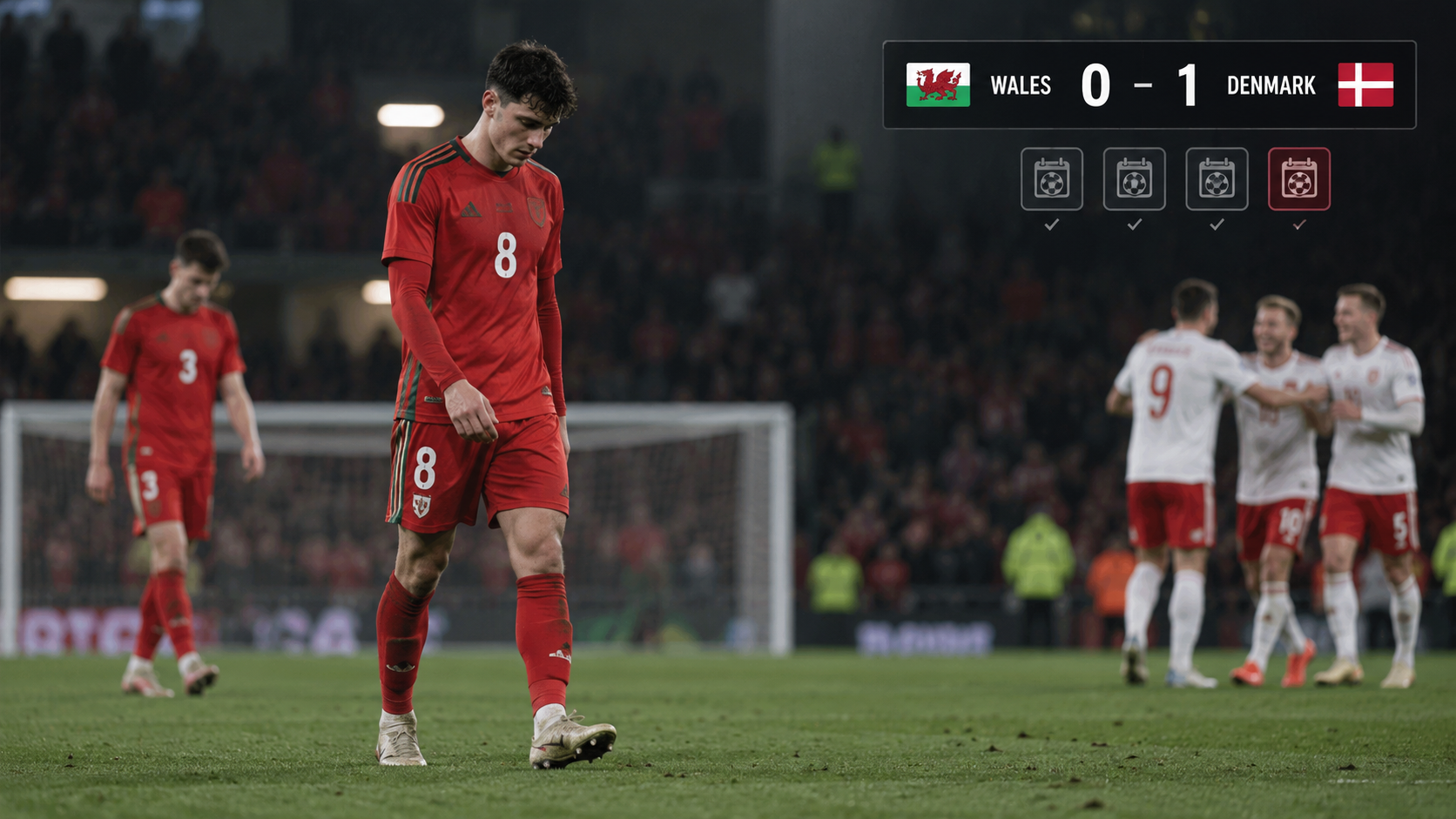
International teams have usually contested six matches during three separate breaks in September, October and November, with two fixtures played in each window.
This year, however, the September and October international periods were combined for the first time.
Wales found the revised schedule even more difficult because of numerous injuries. Karl Darlow, Joe Rodon, Dylan Lawlor and Harry Wilson were unavailable throughout the camp, while David Brooks withdrew from the squad following the opening-match defeat by Portugal.
Bellamy explained that Dan James was not sufficiently fit to face Denmark after remaining on the bench at Cardiff City Stadium. He also admitted that Ben Davies probably needed a rest after being substituted late in the match.
“When several players are injured, as happened to us, they can end up missing four matches,” Bellamy said.
“We can manage when only two players are absent, but anything beyond that severely tests the squad. The physical demands and required intensity make me feel that a four-match international period mainly benefits the strongest teams.
“Those sides can handle matches in quick succession and replace players with others of a similar standard because they have greater depth. For many of the remaining teams, however, the schedule creates significant pressure.”
What do you feel about this post?

Like

Love

Happy

Haha

Sad