
Uefa is expected to withdraw its warning that it could boycott Fifa tournaments after receiving guarantees that Gianni Infantino’s proposal to sell World Cup stakes to private investors will not be revived.
The issue is due to be considered when Uefa’s executive committee meets in Monaco on Thursday.
Earlier this month, European football’s governing body said the cancellation of Infantino’s proposal, which followed extensive criticism, had not yet satisfied the conditions needed to rule out a boycott.
Uefa demanded firm guarantees that no similar attempt to reshape the sport would be made in the future.
That statement followed Infantino’s confirmation to national associations that the FFE plan had been withdrawn, along with an apology for mistakes made during the process.
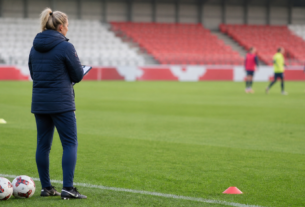
Removing the boycott threat would allow next month’s Under-20 Women’s World Cup in Poland to take place as scheduled.
Six European sides are set to participate: England, France, Italy, Portugal, Spain and tournament host Poland.
Uefa has been a leading critic of Infantino and is likely to maintain pressure for major changes within Fifa’s leadership. Uefa president Aleksander Ceferin has said he expects Infantino either to step down or face an opposing candidate in March’s election.
A person familiar with the talks said withdrawing the threat should not be viewed as backing down, adding that those seeking reform would continue their efforts until substantial changes were introduced.
The source said the decision was intended to prevent young players from losing a rare opportunity rather than signal a defeat for Uefa.
They added that the campaign for reform would continue and would ultimately succeed.
Last month, European football’s 55 national associations supported a boycott of every Fifa competition unless the Fifa Forward Enterprises proposal was completely abandoned and binding guarantees were provided that the organisation’s governance and tournaments would never be opened to private ownership.
Culture secretary Lisa Nandy said this month that she would not back a boycott of the Under-20 World Cup.
Nandy said she generally opposed sporting boycotts because they create division and unfairly punish athletes who bear no responsibility for the circumstances behind such action.
She called on football’s authorities to resolve the dispute through new leadership and a different direction, while making it clear that the sport belongs to its supporters. She also argued that women and girls should not suffer consequences at a time when the women’s game is enjoying significant growth and England’s Lionesses are among its leading teams.
What do you feel about this post?

Like

Love

Happy

Haha

Sad