The Football Association had been concerned about the Balogun case from the beginning and requested access to the documents explaining why his World Cup suspension was overturned.
Balogun, a 25-year-old forward, was permitted to face Belgium in the round of 16 despite originally being expected to serve a one-game ban.
The striker received a straight red card after fouling defender Tarik Muharemovic during the 2-0 victory over Bosnia-Herzegovina in the round of 32.
Fifa subsequently announced that the automatic one-match suspension would be put on hold for 12 months. It offered no detailed explanation, referring only to a regulation that permits sanctions to be suspended.
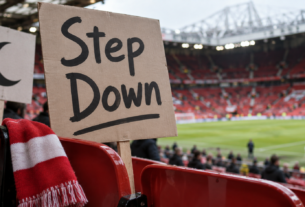
The FA, which had backed Infantino’s re-election before the Balogun controversy, became seriously worried about possible political interference.
US President Donald Trump later acknowledged that he had contacted Infantino and asked him to reconsider Balogun’s suspension.
Tensions within the sport increased when the FFE proposal emerged in the media only days after the World Cup final.
In an open letter released last month, Uefa, Concacaf and the Asian Football Confederation alleged that Fifa and Infantino had undermined trust through misleading conduct.
A number of national governing bodies, including those representing England, Wales and Scotland, have withdrawn their endorsements of Infantino’s re-election campaign.
Nevertheless, Infantino continues to receive substantial international support, with the African, South American and Oceanian confederations reaffirming their backing.
Following the cancellation of FFE, Infantino convened a meeting of Fifa’s management board in Rabat, Morocco.
However, the Fifa Council has not yet been contacted or given an explanation of the disputed proposal.
That is expected to change next month, when Infantino is due to meet Hewitt and the other 35 members of the Fifa Council.
What do you feel about this post?

Like

Love

Happy

Haha

Sad