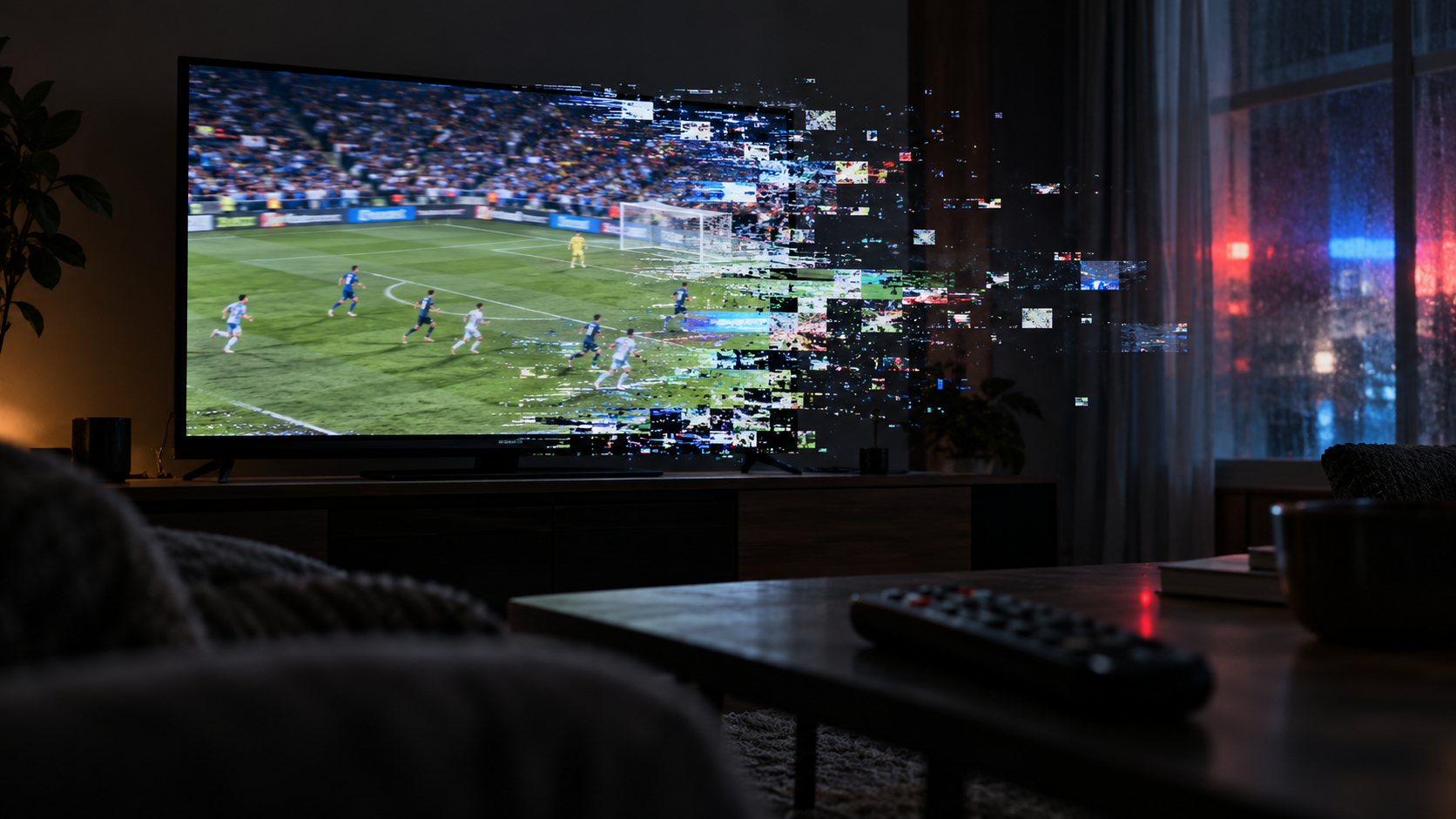
Illegal streaming is already affecting what happens on the field.
Speaking at a conference last year, Tom Burrows, global rights director at sports streaming service DAZN, called unauthorized broadcasting a “major challenge” for his company and said the sports rights business was approaching a critical point.
Only a few months later, DAZN reached an agreement to withdraw from its contract with the French football league, which had given it permission to show France’s top-flight matches domestically. The settlement followed a tense disagreement that partly centered on the platform’s claim that the league had failed to take sufficient action against illegal streams, while disappointing subscriber numbers were also believed to have played a role.
DAZN reportedly paid €100m (£85m) to terminate the agreement, in addition to approximately €140m in unpaid rights fees, but its exit still left a significant gap in the league’s budget. The competition subsequently launched its own streaming platform, while annual broadcast revenue dropped from about €700m to €412m this season, based on data collected by football-finance.com.
A wealthy club such as Paris St Germain, which benefits from several other income streams, is unlikely to feel much impact. Smaller sides, however, have faced much greater difficulties. Angers SCO, based in western France, said last year that the situation had reduced its income by €30m across two seasons and led to the sale of striker Estéban Lepaul.
A tournament as prominent as the Premier League is unlikely to be abandoned by its broadcast partners. Nevertheless, widespread illegal streaming may reduce the amount those companies are prepared to spend on future rights agreements.
What do you feel about this post?

Like

Love

Happy

Haha

Sad