For me, it has genuinely been one of the most fulfilling experiences of my life. The journey teaches you a great deal about yourself, including qualities you may not have realised you possessed.
Can you introduce yourself and explain your role?
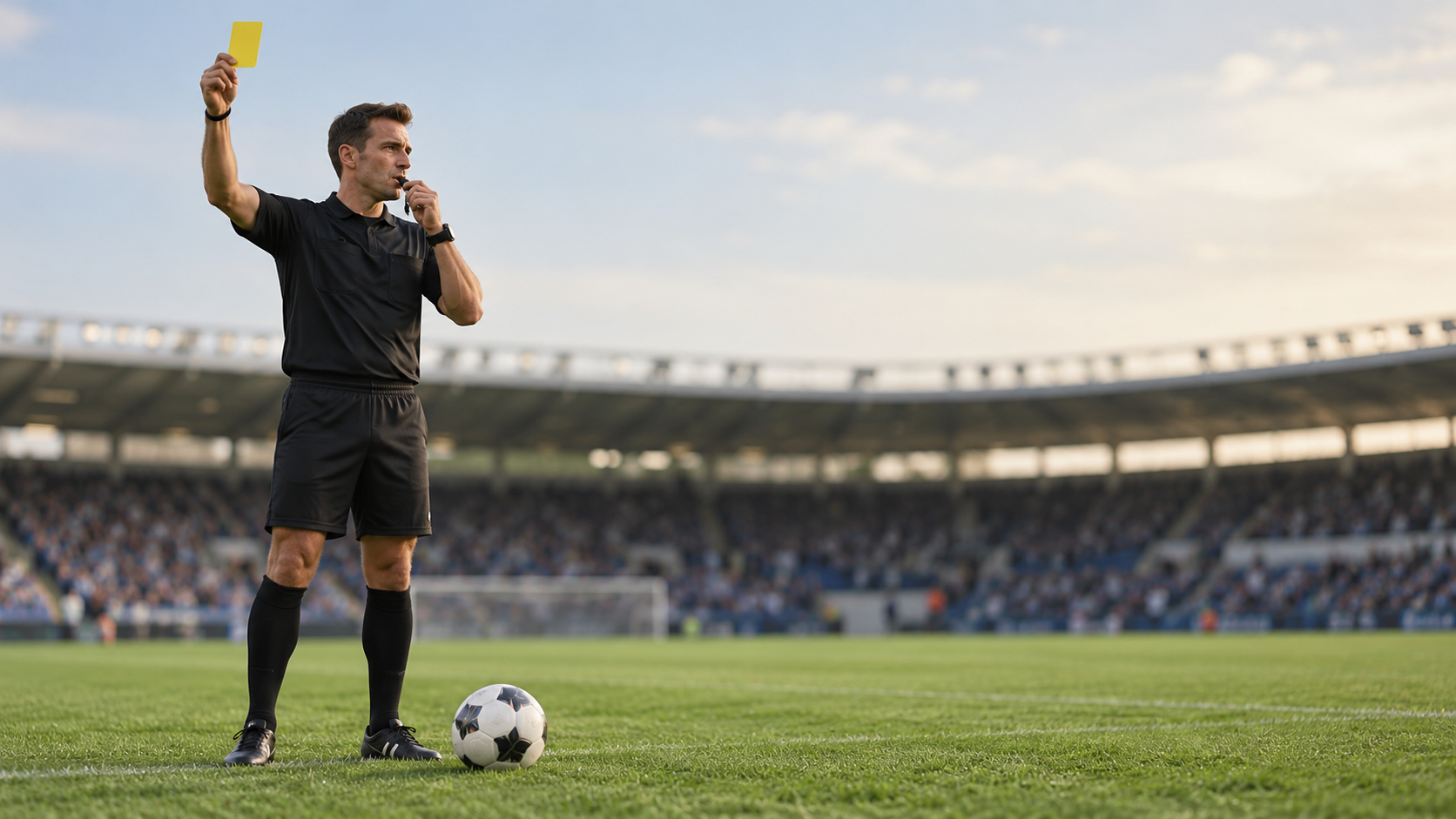
My name is Louise Thompson. I oversee the development pathway for women referees at the Irish Football Association. I am also an international FIFA official and referee matches in Northern Ireland’s top division.
What are the responsibilities of a women’s referee pathway officer?
My role involves supporting women referees across Northern Ireland. I help attract new officials, encourage existing referees to continue, and provide opportunities that prepare them to officiate at the highest level.
How do you train people who want to become referees?
The process begins with recruitment sessions, followed by an introductory refereeing course covering the Laws of the Game. Practical training also takes place on the pitch, where participants work through match situations, positioning, free-kick management, corners, penalty procedures and other set pieces. We also cover the routine duties of an official, including arriving at a venue, inspecting the playing surface, checking equipment and communicating with players and coaches. Role-play exercises help new referees feel prepared rather than entering their first match without knowing what to expect.
Has football always been important to you?
I have loved football since I was at primary school. There were very few girls’ teams at the time, so I usually played alongside boys until I was about 14, the minimum age for joining a senior women’s side in Northern Ireland. I then spent 14 years playing for a local club and eventually competed in the highest women’s division. Whether I was playing, watching or taking part in another football-related activity, I was always enthusiastic and eager to be involved.
How did you make the transition from player to referee?
My move into refereeing happened almost accidentally. I suffered a serious knee injury during a match and happened to notice that a referee course was being advertised. I enrolled in it and also joined a coaching course around six weeks later because I had not yet decided which direction to take. During that winter, I was encouraged to officiate a few matches. I thought it would be a useful way to improve my fitness before the playing season resumed, but I quickly developed a passion for refereeing and never turned back.
Which subjects did you study at school and university?
I consistently chose physical education at school, completing it at both GCSE and A-level. At university, sport and exercise science formed part of my studies. That education gave me a valuable understanding of how the body functions, how to structure training and how nutrition supports performance. This knowledge becomes particularly useful at an elite level, where you need to ensure your body can perform at its best.
What advice would you give to someone interested in refereeing?
My main advice is simply to try it, because you cannot know whether it suits you until you take that first step. When I was playing, I never expected to become a referee or imagined the opportunities the role would bring me. It is important to move beyond your comfort zone and learn to handle unfamiliar or challenging situations. The reality is often less intimidating than people expect. Although refereeing can carry negative perceptions and some may question why anyone would choose it, I have found it to be one of the most meaningful and rewarding things I have ever pursued.
What do you feel about this post?

Like

Love

Happy

Haha

Sad