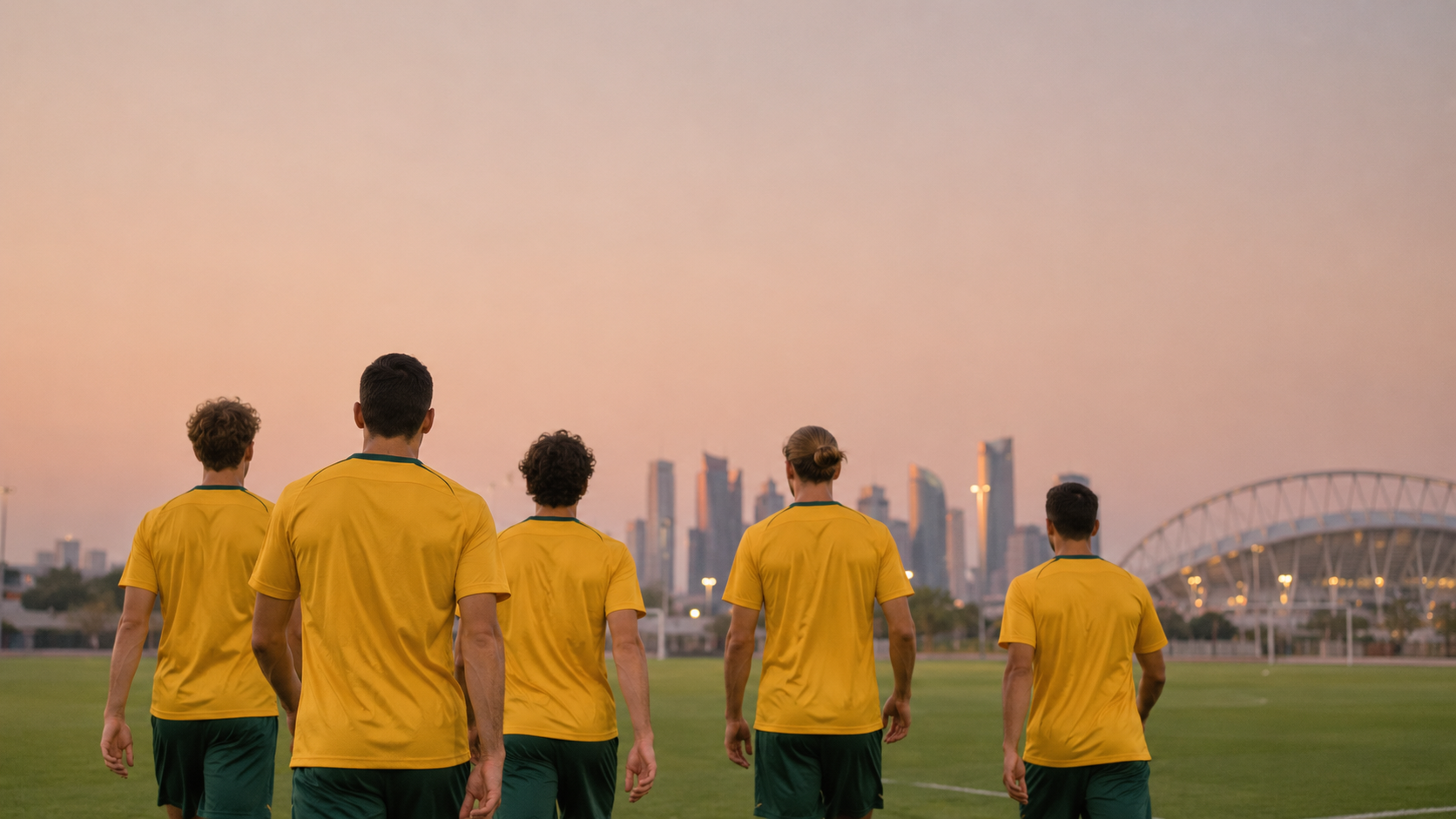
Last week’s convincing 3-0 victory over Qatar at Abdullah bin Khalifa Stadium was the Socceroos’ first appearance in the Gulf nation since their painful Asian Cup exit almost three years earlier. At the time, Graham Arnold described Doha as a second home after the squad had been based there during the Covid pandemic, even suggesting that the experience could give Australia an advantage at the 2022 World Cup.
Walking through the city in 2026 brings back vivid memories of Australian supporters enthusiastically filling Doha’s souks during the World Cup. It also recalls the sadness of seeing birds confined to cramped cages in the nearby market. Journeys along the red Metro line to Al Janoub Stadium in Al Wakrah come to mind, helped by the weathered posters and stickers celebrating the 2022 tournament that remain visible in some shop windows. A wandering cat can revive fond memories of the city’s friendly felines, while reflection on the people whose labour created this setting still produces an unavoidable sense of discomfort.
Despite the familiar surroundings and the presence of five players who featured when Son Heung-min ended Australia’s Asian Cup campaign, the return to Doha highlights how dramatically the team has changed and how firmly it has entered a new chapter.
Tony Popovic is now in charge, with the defeat by South Korea arguably setting in motion the final phase of Arnold’s time as coach. The disappointment contributed to a growing weariness that was followed by declining results and Arnold’s resignation later that year.
Nearly three years ago, Nestory Irankunda, now one of Popovic’s fastest-rising talents with eight international goals, was preparing to endure a 4-0 loss to Central Coast Mariners. Alessandro Circati had been omitted from the national squad so he could preserve his position with a Parma team pursuing promotion to Serie A. Meanwhile, Paul Okon-Engstler, Patrick Beach and Lucas Herrington had not yet made their senior debuts.
All five started against Qatar and are developing into central figures in Australia’s rebuilt squad. After taking the youngest team at the World Cup in North America and showing further progress against Brazil in September, this gifted group overwhelmed the reigning two-time Asian champions on their own ground during the opening half. The result was effectively secured before Popovic made several substitutions, after which Australia’s performance became less cohesive.
There are growing indications that the team is advancing in both its playing style and its mindset. The players are applying lessons gained not only while representing Australia but also from competing at stronger, more demanding clubs and in higher-level leagues, opportunities that Popovic has helped them access.
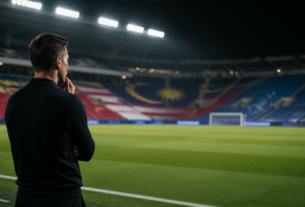
That progress could add an unexpected sense of symmetry if Tuesday’s meeting with Jordan, staged in a location closely associated with Popovic’s predecessor, becomes the final match of his tenure.
The squad’s emerging players will remain, but uncertainty surrounding Popovic’s contract means this could be his final game as Australia’s coach unless a new agreement is reached. With January’s Asian Cup postponed, he may not receive the farewell he once expected. Instead, a modest 12,000-capacity venue that is unlikely to be filled will stage a hurriedly relocated friendly whose original purpose has disappeared.
After delicate negotiations led to Tuesday’s match being moved because players were reluctant to travel to Amman, in accordance with DFAT guidance, Doha may again provide the setting for an important moment in Socceroos history, having already hosted several memorable chapters during the pandemic.
What do you feel about this post?

Like

Love

Happy

Haha

Sad