
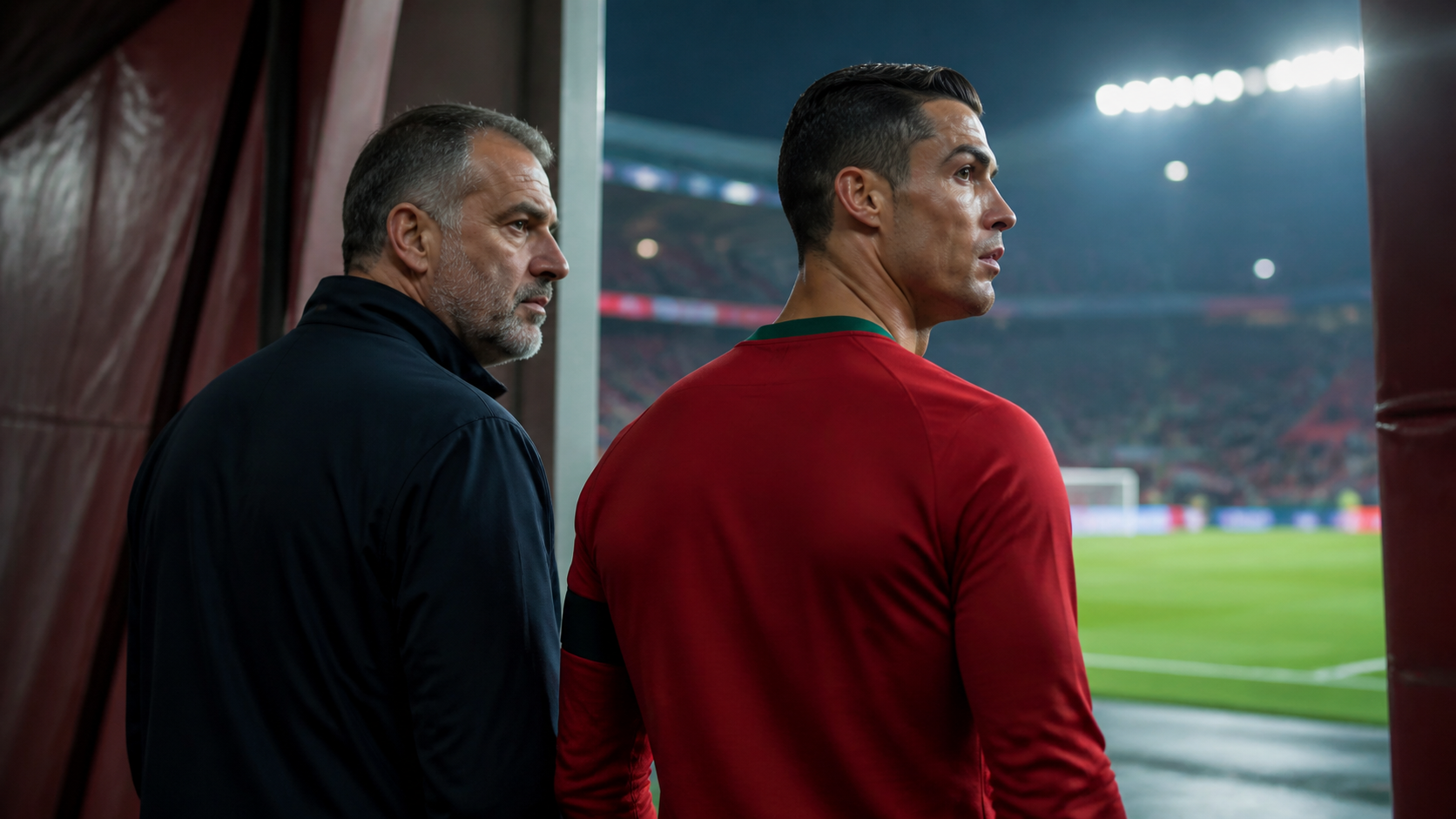
When Ange Postecoglou departed Nottingham Forest in October, hardly anyone expected Riyadh to be his next destination. Yet his appointment at Al-Nassr could present one of the toughest assignments of his wide-ranging career. Although he has a reputation for collecting silverware in his second season, he may not get that opportunity unless he delivers a trophy immediately. Al-Nassr have already employed 12 coaches during the 2020s, underlining the intense demand for success. The financial difficulties that restricted the club’s summer transfer activity are unlikely to be accepted as justification for poor results.
Cristiano Ronaldo celebrated winning the Saudi Pro League championship in May. Soon afterward, Al-Nassr manager Jorge Jesus, an experienced coach who secured silverware during the opening campaign of each of his two most recent spells in Saudi Arabia, departed to lead Portugal. Inheriting the national champions and a squad filled with prominent players might appear straightforward, but the reality promises to be considerably more demanding.
Postecoglou will face greater expectations than at any of his previous clubs, which is standard at one of Saudi Arabia’s four leading teams. Last season’s championship was Al-Nassr’s first since 2019, and supporters now expect the club to retain it. They also want a maiden Asian Champions League triumph, a tournament in which Postecoglou achieved limited success with Brisbane Roar and Yokohama F.Marinos. Despite having players such as Ronaldo, Sadio Mané and João Félix, Al-Nassr have yet to conquer the continent. Winning that trophy would give Postecoglou a special place in the club’s history and make him the first manager to secure Asia’s leading club and international titles. However, continental progress cannot come at the expense of domestic performance, as occurred during his time at Tottenham. He will be expected to compete successfully in both competitions.
At Al-Nassr, three consecutive matches without victory can quickly create tension, while a fourth poor result can intensify the pressure dramatically. Numerous former players regularly share their views through television and online media, adding to the scrutiny. Consequently, many managers place results ahead of tactical identity or long-term philosophy. There is little tolerance for a difficult opening period while the squad adapts to unfamiliar methods, playing patterns or leadership. Unlike elsewhere in his career, Postecoglou cannot rely on being given a second season to demonstrate progress. Even Simone Inzaghi faced criticism from sections of Al-Hilal’s support despite winning the King’s Cup, finishing second in the league and remaining unbeaten last season.
Managing Ronaldo will provide another significant test. At 41, the forward remains the competition’s most recognisable figure, and Postecoglou has never previously coached anyone with comparable fame or authority. Ronaldo now contributes little pressing and covers less ground, but he remains an accomplished finisher. The player, reportedly earning more than $6m per week, may be rested for selected fixtures, particularly during the Asian Champions League group stage. Reports suggest he received additional leave after the World Cup and could miss Thursday’s opening match against newly promoted Diriyah. Nevertheless, Ronaldo will expect to feature in most games, and the club, competition, media and supporters will want the same. He needs another 24 goals to reach 1,000 in his career, meaning that pursuit could become a major story throughout the season.
Al-Nassr have limited alternatives in attack after making few improvements to the squad that won the championship. Their financial situation has attracted more attention than their transfer plans. At one stage, the club were reportedly carrying debts of 800m Saudi riyals, approximately A$300m, and risked being prevented from registering new players. The Saudi Public Investment Fund, which owns the club, resolved the matter shortly before the season began through restructuring and new commercial agreements. Marcelo Brozović, who had provided stability in midfield for three campaigns, departed and was replaced last weekend by Portugal international Samú Costa. Further additions may depend on player sales. In comparison, Al-Hilal reportedly paid $130m for Crysencio Summerville.
Even if Postecoglou’s tenure ends rapidly and unhappily, coaches generally believe that being dismissed by a Saudi club does not seriously damage future employment prospects in Europe. Nuno Espírito Santo, for instance, left Al-Ittihad after 16 months before returning smoothly to the Premier League with Nottingham Forest. For Postecoglou, however, a third successive dismissal within a relatively brief period would still weaken his professional record.
Postecoglou will at least have another Australian manager nearby. Former Yokohama assistant and Newcastle Jets coach Arthur Papas is now leading Al-Ettifaq. The club have finished sixth and seventh twice across the past four seasons, and their main objective is clear: securing a place in the top five. Achieving that will be difficult because of the greater resources available to the teams that traditionally finish ahead of them. Whether Papas faces a tougher assignment than Postecoglou in Riyadh remains uncertain.
What do you feel about this post?

Like

Love

Happy

Haha

Sad