Love him or loathe him, New York mayor Zohran Mamdani clearly brings remarkable energy to the causes he supports, and that enthusiasm contributed significantly to his election victory. However, two issues close to his heart are now coming into direct conflict.
Mamdani is arguably the most prominent American supporter of English Premier League champion Arsenal. A devoted fan since childhood, he has raised the club’s profile in the United States since taking office. The Empire State Building was illuminated in Arsenal’s red and white colors after the team secured the Premier League title. He also published an article explaining the personal significance of the triumph, regularly mentions Arsenal during press events and media conversations, and unveiled Thierry Henry Way near Times Square as a tribute to the club icon.
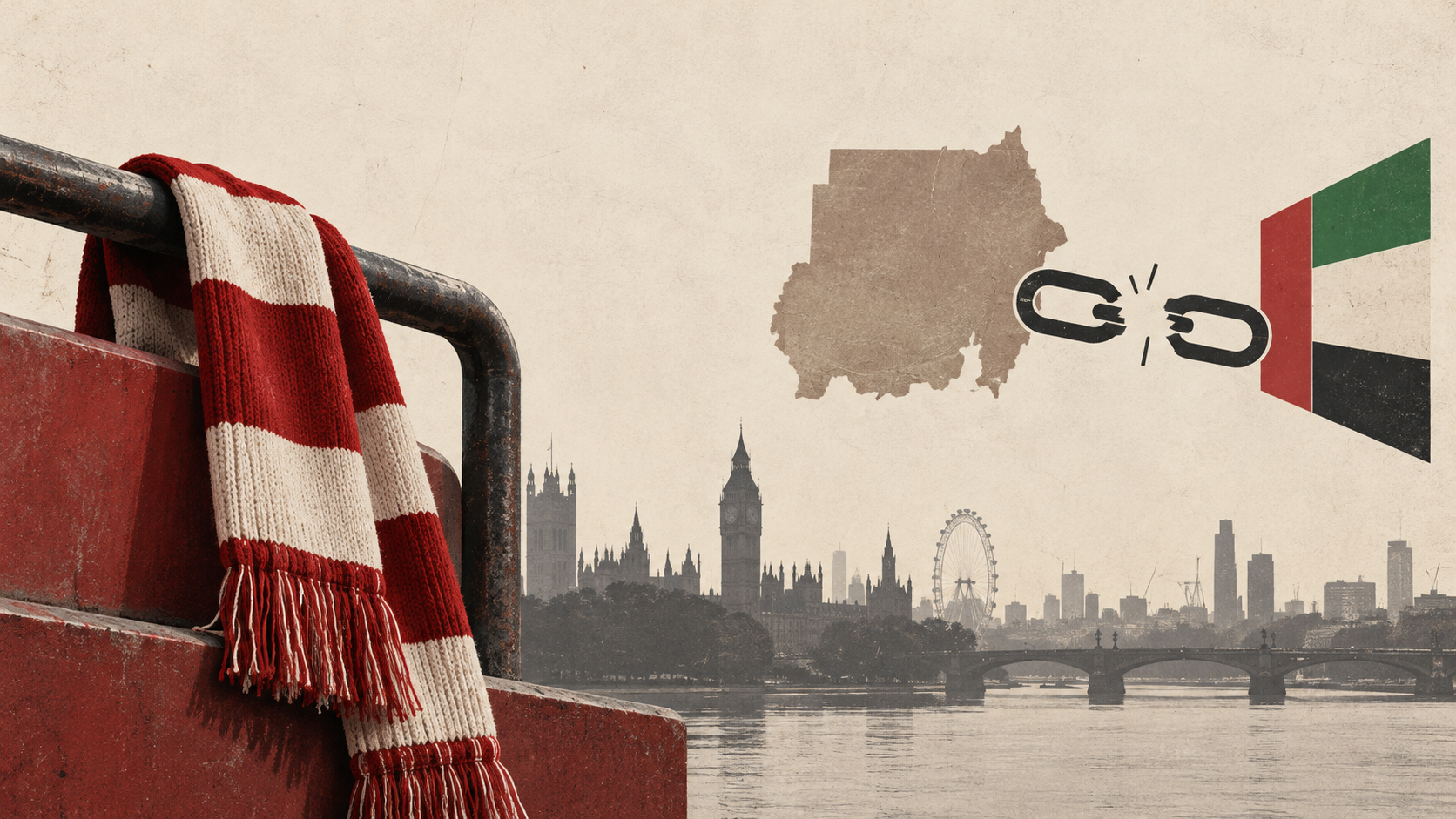
Yet Mamdani’s commitment to defending human rights and opposing genocide has created a dilemma for his Arsenal allegiance. A troubling element of the club’s present-day identity now offers the mayor an important chance to act.
Arsenal’s principal commercial partner is Emirates Airlines, which is controlled by the Emirates Group, a state-owned holding company headquartered in Dubai. The airline’s branding appears across the front of Arsenal’s shirts, while the club’s London home is named Emirates Stadium. The United Arab Emirates has invested over $1bn in its association with Arsenal, including an extension through 2033 reportedly worth more than $100m annually. Arsenal represents the UAE’s second-largest sports investment worldwide.
The controversy stems from allegations that the UAE is also backing a militia accused of genocide in Sudan. The conflict has produced the largest displacement emergency in the world, forcing 14 million people, roughly one-quarter of Sudan’s population, from their homes and leaving 21 million people with severe food insecurity. Numerous investigations report that the UAE has supplied the Rapid Support Forces, commonly known as the RSF, with arms and lethal drones. According to those reports, the UAE is the militia’s largest provider of both weapons and unmanned aircraft.
This is the central contradiction. The UAE is conducting one of the most extensive sportswashing efforts in the world to improve its international reputation, with Arsenal playing a prominent role. That strategy extends far beyond the north London club. Our calculations indicate that the UAE government has committed more than $5.2bn to partnerships with sports clubs and competitions worldwide. The beneficiaries include Manchester City, basketball champion the New York Knicks, whom Mamdani also supports, the Emirates NBA Cup, and Formula One. The country also supports numerous additional organizations across football, basketball, cycling, rugby, and cricket.
Encouragingly, Arsenal’s owners have previously responded to concerns about partnerships linked to alleged abuses. Last year, the club confirmed that it would end its sleeve sponsorship with Visit Rwanda following Rwanda’s intervention in the Democratic Republic of Congo and the resulting humanitarian disaster. More than 8 million people have been driven from their homes amid Rwanda’s incursion into the DRC and its alleged direction of the M23 militia. The armed group has been accused of torturing civilians, committing widespread sexual violence, and recruiting children as soldiers. After the Arsenal Supporters’ Trust and campaigns such as Gunners for Peace raised the issue, the ownership reconsidered the arrangement.
Arsenal should now examine its larger sponsorship relationship, and Mamdani is well positioned to influence that discussion. As one of the club’s most recognizable supporters worldwide, his intervention could carry considerable weight with its leadership. Arsenal is owned by Americans Josh and Stan Kroenke, who have previously taken public positions on human rights and discrimination, including supporting a permanent ban for former Los Angeles Clippers owner Don Sterling after his racist comments became public.
Mamdani could inform the Kroenkes and other Arsenal directors about concerns surrounding the UAE’s use of sport to reshape its reputation. He could also urge them, either privately or publicly, to seek a different commercial partner because of the UAE’s reported support for the RSF in Sudan. Arsenal is in a strong financial position after winning the league and reaching the Champions League final, generating a club-record total of $411m. Reports now describe Arsenal as England’s most profitable football club, suggesting it is not financially dependent on Emirati funding.
The UAE is also far from the only potential source of major football sponsorship. Qualcomm technology brand Snapdragon reportedly pays Manchester United an amount similar to Emirates’ annual contribution to Arsenal. Automaker Jeep and telecommunications company T-Mobile provide Juventus and Bayern Munich, respectively, with deals valued only slightly lower.
Ending the agreement could also place meaningful pressure on the UAE and draw greater attention to the atrocities in Sudan. Because the country places significant importance on its global reputation, losing such a high-profile partnership would represent a serious public-relations setback. An intervention by Mamdani could therefore produce consequences extending well beyond football.
Mamdani’s dedication to human rights, opposition to genocide, and loyalty to Arsenal converge on this issue. Calling on the club’s leadership to replace its UAE-linked sponsor would allow him to act on all three commitments while potentially helping address one of the world’s gravest humanitarian emergencies. Both New Yorkers and Arsenal supporters have reason to encourage him to raise the matter with the club.
What do you feel about this post?

Like

Love

Happy

Haha

Sad