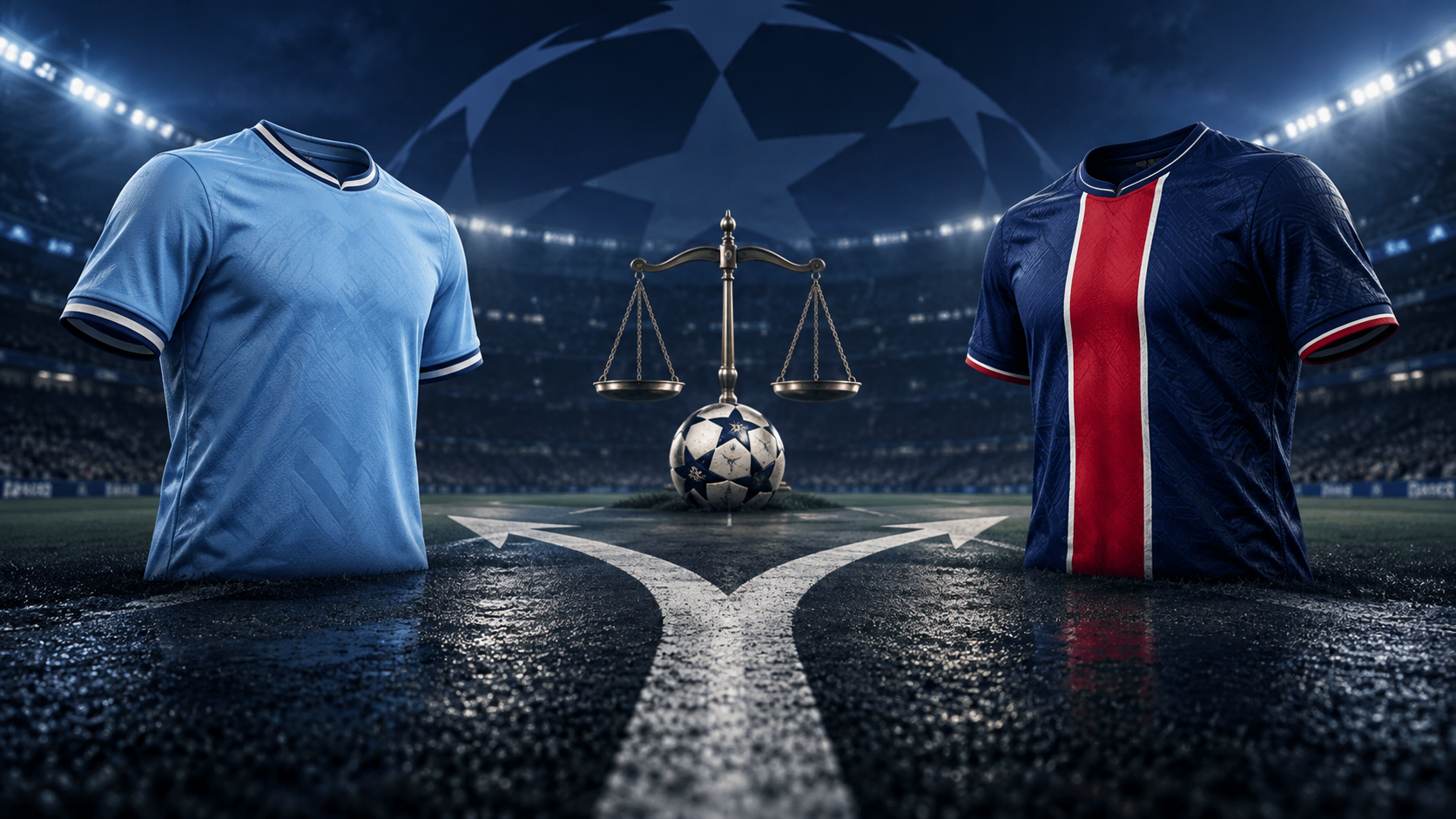
Nasser al-Khelaifi was reportedly displeased that the Premier League published its guilty ruling against Manchester City two weeks ago. However, Paris Saint-Germain’s Champions League trip to the Etihad Stadium on Wednesday serves as a reminder that the outcome might have been considerably more severe.
The clubs share more than financial backing from Gulf nations. They were among the first teams judged to have violated Uefa’s financial fair play regulations in 2014, and the scale of their cases far exceeded that of many later offenders.
Uefa investigators concluded that PSG recorded a €218m deficit and City a €188m shortfall between 2011 and 2013, despite clubs participating in European competitions being permitted to lose no more than €45m (£38m). Nevertheless, both sides avoided formal charges by accepting settlement agreements.
Looking back, those settlements appear notably lenient. Each club received a €20m financial penalty alongside tighter limits on future spending, while an additional €40m payment would become due if either side failed to meet the agreed conditions.
In April 2017, Uefa stated that both teams had “fully complied with all the requirements”, although questions remained over whether City had observed the spending restrictions. Following an investigation by Uefa’s investigatory chamber, City were banned from the Champions League for two seasons in 2020 for allegedly “overstating its sponsorship revenue” from 2012 to 2016. The court of arbitration for sport later overturned the punishment, concluding that “most of the alleged breaches were either not established or time-barred”.
Last month, however, the Premier League revealed that an independent commission examining more than 100 allegations against City had determined that the club was “significantly in breach” of Uefa’s spending rules between the 2009-10 and 2017-18 seasons. It also found that City had “filed misstated accounts and concealed the true state of its finances”. The club has challenged that decision.
PSG, where al-Khelaifi has served as president and the public representative of the Qatari owners since 2011, received another €10m fine from Uefa in 2022 for failing to satisfy financial requirements from 2018 onward. A further €50m penalty was suspended.
Al-Khelaifi’s frustration with the Premier League was partly caused by the timing of the City judgment. Its publication diverted attention from the European Football Clubs general assembly in Copenhagen and from his keynote address. City chief executive Ferran Soriano attended in the front row before quickly avoiding television crews.
Speaking as EFC chair, al-Khelaifi described his ambition to transform the body into a worldwide organisation. He also directed criticism at Fifa president Gianni Infantino while stressing the value of responsible governance, an approach markedly different from his position toward Infantino a decade earlier.
A 2018 investigation by the German publication Der Spiegel alleged that Infantino, who was Uefa’s general secretary at the time, helped PSG and City avoid tougher penalties in 2014. The report said he held private discussions with representatives of both clubs and provided confidential material containing proposed compromises that he did not have authority to offer.
Der Spiegel also released an email that Infantino sent to City chair Khaldoon al-Mubarak on 2 May 2014 setting out a possible agreement. Infantino explained that some passages had deliberately been written to appear stronger and asked that the document be interpreted with that intention in mind.
Agreements with both teams were completed later that month. Before they were finalised, Brian Quinn, the head of Uefa’s investigatory chamber and a former senior Bank of England official, resigned amid claims that he regarded the settlements as excessively soft.
Uefa explained at the time that settlement agreements had generally been its preferred response when clubs covered excessive spending through direct injections of money. It added that the main objective in such circumstances was to restrict income originating outside football.
Infantino responded that his responsibilities involved discussions and the exchange of documents, drafts and proposals. He maintained that he had performed those duties honestly and professionally while seeking to protect football’s interests.
PSG maintain that they have always complied fully with the rules and laws established by sporting authorities, while City have repeatedly denied wrongdoing. Despite their similar histories, the two clubs now occupy opposing positions.
Al-Khelaifi will travel to Manchester as a representative of football’s established order, with EFC and Uefa jointly owning the commercial business responsible for operating the Champions League. City, meanwhile, remain outsiders challenging the system.
Numerous City supporters are likely to continue expressing hostility toward Uefa by jeering the Champions League anthem. Privately, though, some may question whether the club’s Abu Dhabi owners should have adopted the more conciliatory strategy pursued by PSG.
What do you feel about this post?

Like

Love

Happy

Haha

Sad